

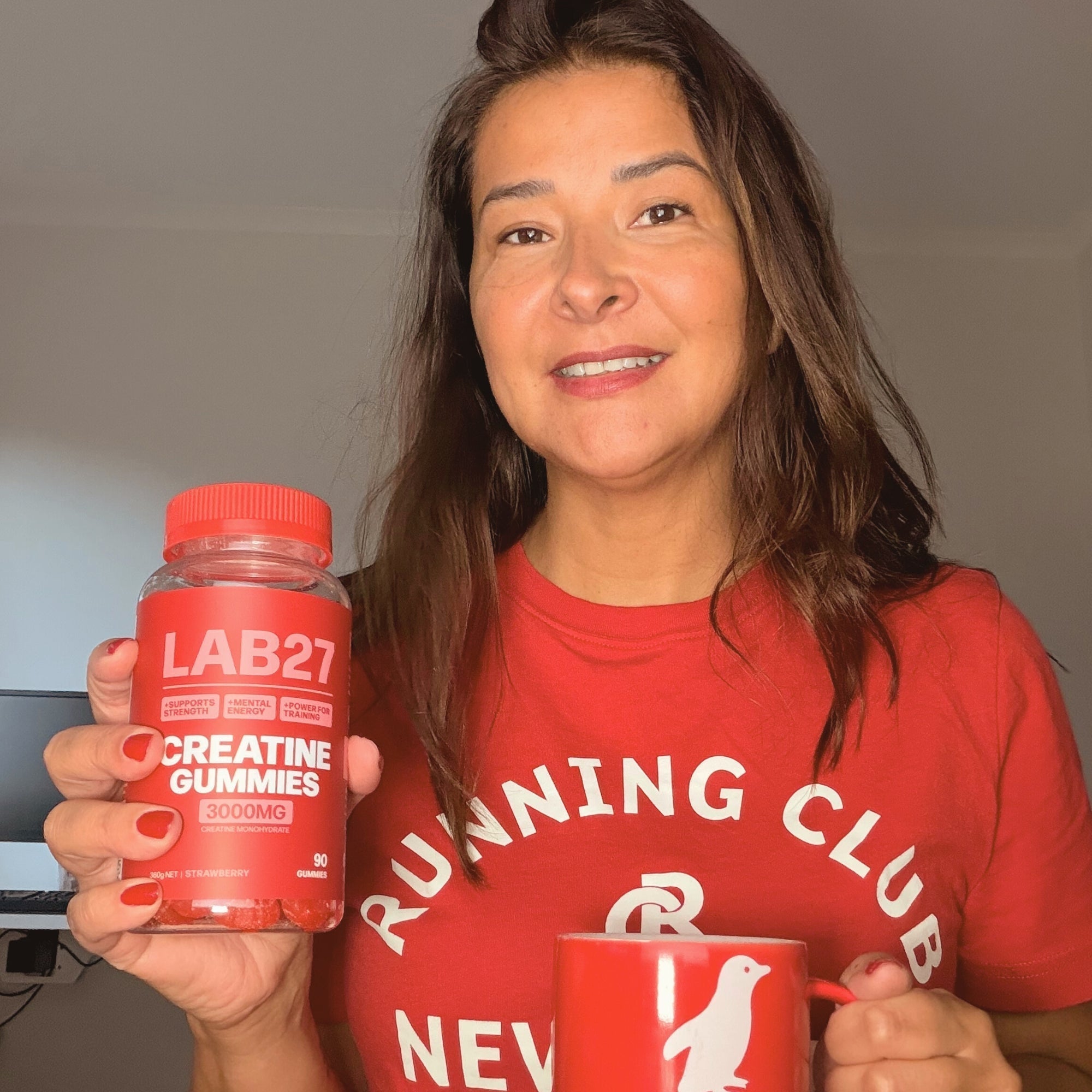
Creatine Myths Busted: What You Really Need to Know
Creatine is one of the most researched and effective supplements in the world, yet it remains shrouded in more myths and misconceptions than almost any other nutrient. For decades, this powerhouse compound has been the "gold standard" for performance, but the noise of outdated information often drowns out the science.
At LAB27, we believe that clarity and convenience go hand-in-hand. Our previous post, The Ultimate Guide to Creatine Gummies: Why Australia is Switching from Powder to Gummies, covered the incredible benefits of switching to a delicious, sugar-free creatine gummy. Now, as the second post in our series, we’re tackling the biggest, most persistent creatine myths head-on to give you the facts you need to supplement with confidence.
Myth 1: Creatine is Only for Bodybuilders and Athletes
This is perhaps the most outdated myth of all. While creatine is phenomenal for increasing strength and power in the gym, modern science has firmly established its role as a vital nutrient for cognitive health and healthy aging .
The Fact: Creatine is a fuel source for your cells, including your brain cells. Research shows that supplementing with creatine can support:
- Mental Clarity and Focus: By boosting energy reserves in the brain, creatine helps you stay "switched on" during demanding mental tasks and periods of sleep deprivation .
- Healthy Aging: Creatine helps maintain muscle mass and bone density, which are critical for mobility and quality of life as we age . It’s a foundational supplement for anyone seeking to feel stronger and more resilient, regardless of whether they lift weights or not.
This shift in understanding is why creatine gummies Australia are becoming the preferred choice—they make daily, consistent dosing simple for everyone, from busy professionals to active seniors.
Myth 2: Creatine Causes Bloating and Water Retention
The fear of "creatine bloat" is a major reason many people, especially women, hesitate to try it. This myth stems from a misunderstanding of how creatine interacts with water in the body.
The Fact: Creatine does cause water retention, but it’s intracellular water retention—meaning the water is drawn into your muscle cells, not under your skin .
- Intracellular Hydration: This is a good thing! It makes muscles look fuller and is a key mechanism for creatine’s performance benefits.
- Extracellular Bloating: The uncomfortable, puffy look associated with "bloat" is usually caused by water retention outside the cells (extracellular). Early, high-dose "loading phases" of creatine powder sometimes caused temporary stomach upset and mild extracellular retention, but this is largely avoided with the consistent, lower daily doses found in quality creatine gummies.
By choosing a high-quality, double third-party tested gummy like LAB27, you ensure a precise dose that supports muscle hydration without the digestive distress often linked to poorly mixed powders.
Myth 3: Creatine is Harmful to Your Kidneys or Liver
This is a serious concern that has been thoroughly investigated by the scientific community.
The Fact: For healthy individuals, creatine supplementation at recommended doses (3-5g per day) is safe and does not negatively impact kidney or liver function .
- The Confusion: The confusion arises because creatine naturally increases creatinine levels in the blood, which is a common marker doctors use to assess kidney function. However, in a person taking creatine, this elevated creatinine is a harmless byproduct of the supplement, not a sign of kidney damage .
- Safety Profile: Decades of research, including long-term studies, have confirmed the safety of creatine for healthy adults. If you have a pre-existing kidney condition, you should always consult your doctor before starting any new supplement.
Myth 4: Creatine Causes Hair Loss
This is a relatively new myth that gained traction after a single 2009 study suggested a link between creatine and an increase in Dihydrotestosterone (DHT), a hormone linked to male pattern baldness .
The Fact: Subsequent, more robust studies have failed to replicate the findings of the 2009 study .
- No Causal Link: The vast majority of clinical trials on creatine have shown no significant change in total testosterone, free testosterone, or DHT levels.
- Expert Consensus: Leading sports nutrition organizations and researchers have concluded that there is no compelling evidence to suggest that creatine supplementation causes hair loss or baldness .
Myth 5: You Must "Load" Creatine for It to Work
The traditional advice for creatine powder was to start with a "loading phase" of 20g per day for a week to quickly saturate your muscle stores.
The Fact: While loading is effective for faster saturation, it is not essential.
- Consistency is Key: Taking a consistent daily dose of 3-5g (the amount found in 2-3 LAB27 gummies) is just as effective at saturating your muscle and brain stores; it just takes a little longer (around 3-4 weeks) .
- Gummies Simplify Dosing: The convenience of a delicious gummy makes daily consistency effortless, allowing you to skip the messy, high-dose loading phase and the potential for stomach upset.
Ready to move past the myths and feel the benefits?
Creatine has been studied for decades, yet so many people still hear confusing or outdated stories about it. The truth is simple. When used consistently, creatine can support your strength, your energy, and your focus in everyday life.
We created LAB27 so taking creatine could fit naturally into your routine, not feel like another chore.
Our gummies are made to make consistency easier.
Sugar free, so you get the benefits without unnecessary sugar.
Simple to take, two gummies a day, no powders, no mess.
Double third party tested for content so you know exactly what you are getting.
Creatine does not need to be complicated to work.
Just real science, real transparency, and a habit that actually feels good to keep.
Share:
The Ultimate Guide to Creatine Gummies: Why Australia is Switching from Powder to Gummies
Creatine Gummies vs Powder: Which is Better for Muscle Gain?