

Written by the LAB27 team · Reviewed against peer-reviewed research · Last updated: June 2026
Quick answer: From your mid-thirties onward, both men and women begin to gradually lose muscle mass and strength, a process that accelerates with age. The good news is that it's largely reversible. Resistance training is the foundation, and research consistently shows that adding 3 to 5g of creatine monohydrate per day produces greater gains in strength and lean muscle than training alone. It's one of the simplest, most evidence-backed steps you can take to stay strong as you age.
Somewhere in your thirties, something shifts. The weight you used to lift feels heavier. Recovery takes longer. You might notice you're a little softer than you used to be, even though nothing about your routine has changed.
This isn't in your head, and it isn't just "getting older" in a vague sense. It's a measurable biological process, and the encouraging part is that you have far more control over it than most people realise.
This is a research-backed look at why muscle loss begins earlier than most people think, why it matters for both men and women, and the practical, evidence-based ways to fight back.
When does muscle loss actually start?
Most people assume muscle decline is something that happens in old age. The research tells a different story.
A significant decline in muscle mass and function commonly begins around the age of 50, but the groundwork is laid much earlier, in your thirties and forties, as activity levels drop, recovery slows, and hormonal changes begin. Once it sets in, the numbers are sobering. Beyond 50, adults can lose roughly 1 to 2% of leg muscle mass per year, and 1.5 to 5% of strength per year.
The medical term for this age-related muscle loss is sarcopenia, and the loss of strength specifically is called dynapenia. Left unchecked, it's linked to falls, frailty, and a loss of independence later in life. The World Health Organization notes that sarcopenia-related complications raise the annual fall risk by around 40% in adults over 65.
The point isn't to alarm you. It's the opposite. The earlier you act, the easier this is to prevent.
Why does it affect both men and women?
Muscle loss is often framed as a men's issue because of testosterone decline. But women are equally affected, and in some ways more vulnerable.
For men, gradually declining testosterone from the thirties onward reduces the body's muscle-building signal. For women, the drop in estrogen through perimenopause and menopause has a similar effect, accelerating the loss of both muscle and bone. Women also tend to start with less muscle mass overall, which means protecting what they have matters even more.
The bottom line for both sexes is the same. From your mid-thirties, the default trajectory is a slow decline, unless you actively push back against it.
How do you fight back? The two things that work
There's no shortage of supplements and gadgets promising to reverse ageing. The evidence overwhelmingly points to two things that genuinely work, and they work together.
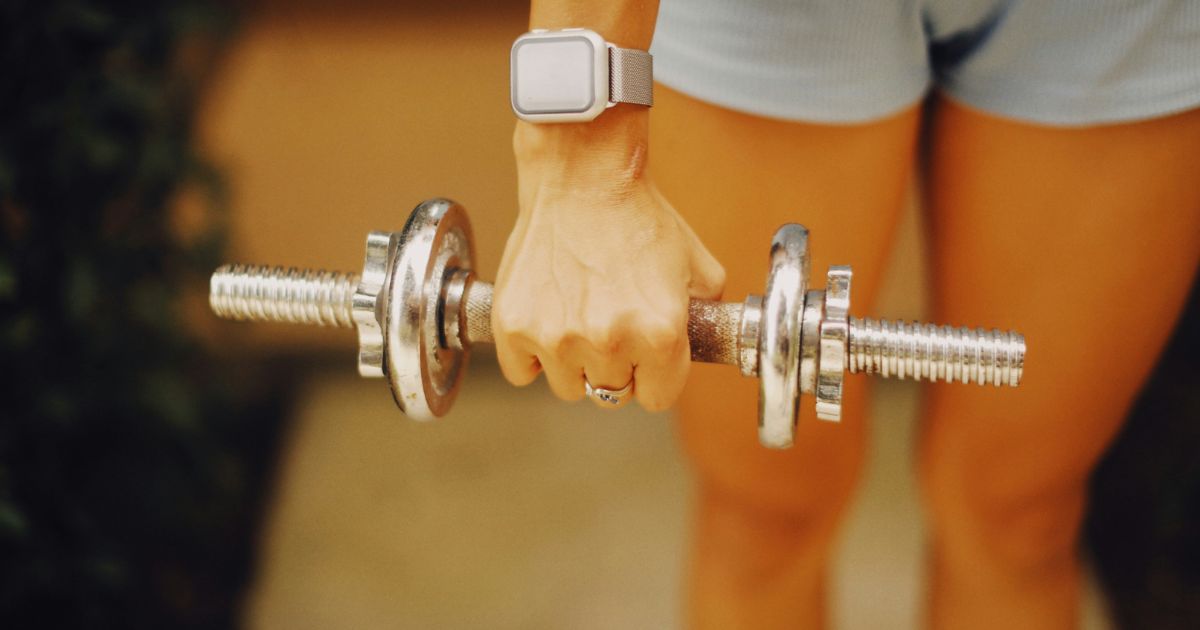
1. Resistance training. This is the non-negotiable foundation. Lifting weights, resistance bands, or bodyweight training two to three times a week is the single most effective intervention for sarcopenia. It's the stimulus that tells your body to keep and build muscle. No supplement replaces this.
2. Creatine, layered on top. This is where creatine earns its place. Across multiple meta-analyses, combining creatine with resistance training produces greater improvements in muscle strength and lean tissue mass than resistance training alone, and strength is a key marker in diagnosing and reversing sarcopenia.
In other words, training builds the muscle, and creatine helps you get more out of every session.
What the research actually shows
Here's an honest summary of where the evidence stands.
Creatine plus training beats training alone. A 2025 systematic review and meta-analysis examining creatine combined with resistance training in older adults found meaningful gains in appendicular muscle strength and lean tissue mass, with effects strengthening over longer intervention periods. The combination consistently outperformed training without creatine.
It works for the populations that need it most. Research specifically on older and clinical populations confirms that creatine at 5g or more per day, paired with resistance training, improves measures of muscle strength, a central factor in the diagnosis of sarcopenia.
The honest caveat. Creatine isn't magic and it isn't a substitute for training. Taken on its own without resistance exercise, its effect on muscle in older adults is limited. The benefit comes from the combination. Think of training as the engine and creatine as better fuel. Fuel alone doesn't move the car.
How much creatine, and how should you take it?
The research-backed daily dose is 3 to 5g of creatine monohydrate per day, taken consistently.
-
Consistency over timing. Creatine works by saturating your muscle stores over time. Taking it every day matters far more than whether you take it before or after a workout, or even on rest days. Take it on rest days too.
-
No loading required. Some protocols use a short high-dose loading phase, but a steady 3 to 5g daily reaches the same saturation within a few weeks, with less chance of digestive discomfort.
-
Pair it with training. Remember the research: the gains come from creatine plus resistance training. The supplement supports the work, it doesn't replace it.
For more on long-term safety, see our article Is Creatine Safe to Take Every Day?
The creatine you'll actually take every day
No powder, no shaker, no guesswork. Just a measured daily dose that's sugar-free, vegan, and tested by Eurofins and ACS Labs every single batch, so you know it works.
Shop Gummies
Creatine after 35: what to know at a glance
| Men | Women | |
|---|---|---|
| Main driver of loss | Declining testosterone | Declining estrogen (perimenopause/menopause) |
| When it starts | Mid-thirties onward, accelerating after 50 | Mid-thirties onward, accelerating around menopause |
| Daily creatine dose | 3–5g | 3–5g |
| What makes it work | Resistance training 2–3x/week | Resistance training 2–3x/week |
| Biggest mistake | Relying on supplements without training | Avoiding weights for fear of "bulking" |
A quick note for women: lifting weights won't make you bulky. It builds the lean, functional strength that protects your muscle, bones and metabolism as you age. It's one of the best things you can do for long-term health.
Want a simple way to stay consistent with creatine? LAB27 Creatine Gummies make your daily dose effortless, with no mixing, no mess, and independent batch testing. See the testing results →
Why the format matters for sticking with it
The research is clear that consistency is what drives results. Creatine only works when your stores stay saturated, which means taking it every single day, including rest days. The hardest part of any supplement isn't starting it, it's remembering it daily, for months.
This is where the format matters. A measured, grab-and-go gummy is far easier to stick with than a powder you have to scoop and shake, particularly on days you're not training and the routine is easy to skip.
But one warning specific to gummies. Independent testing across 2024 and 2025 found that many creatine gummies contained far less creatine than their labels claimed, and some contained almost none. A gummy that doesn't contain real creatine will do nothing for your muscle. The rule is simple: only buy a gummy that publishes independent, batch-by-batch testing. We explain how to check in our Best Creatine Gummies in Australia review.
Frequently Asked Questions
At what age should I start taking creatine for muscle loss?
There's no strict cut-off, but the mid-thirties is a sensible time to start being proactive, since muscle and strength begin their gradual decline in this window. Starting earlier means protecting muscle before significant loss occurs, rather than trying to rebuild it later.
Will creatine build muscle on its own without exercise?
No. The research is clear that creatine's benefits for muscle come from combining it with resistance training. On its own, without training, its effect on muscle in older adults is limited. Training is the essential ingredient, and creatine enhances the results.
Is creatine safe for women over 35 and through menopause?
Yes. Creatine monohydrate is one of the most studied supplements in the world and is considered safe for daily use in healthy adults at standard doses. Women have just as much to gain as men. As always, check with your doctor if you have a medical condition or take medication.
Do I need to take creatine on rest days?
Yes. Creatine works by keeping your muscle stores saturated over time, so daily consistency matters more than timing it around workouts. Take your dose every day, training or not.
How long until I see results?
Creatine saturates your stores over a few weeks, and strength gains build alongside consistent resistance training over the following months. This is a long game, not a quick fix, but it's one of the most reliable interventions available.
The Bottom Line
Losing muscle from your mid-thirties is the default path, but it isn't a fixed one. With regular resistance training and a consistent daily dose of creatine, both men and women can slow, halt, and in many cases reverse that decline, protecting strength, independence and quality of life for decades to come.
It isn't complicated. Lift a couple of times a week. Take 3 to 5g of creatine every day. Stay consistent. The science behind this combination is among the strongest in all of sports nutrition.
If you choose a creatine gummy to make that daily habit easier, just make sure it actually contains what it claims, every batch, independently verified. That's the whole point of taking it.
Want a creatine gummy you can trust to stay consistent with?
LAB27 Creatine Gummies are double third-party tested every batch, sugar-free, and made in Australia for daily consistency.
Sources
- Chen, et al. (2025). The impact of creatine supplementation associated with resistance training on muscular strength and lean tissue mass in the aged: a systematic review and meta-analysis. European Review of Aging and Physical Activity. Read full article here
- Candow, D. G., et al. (2025). Creatine monohydrate supplementation for older adults and clinical populations. Journal of the International Society of Sports Nutrition. Read full article here
- Forbes, S. C., et al. (2024). The power of creatine plus resistance training for healthy aging: enhancing physical vitality and cognitive function. Frontiers in Physiology. Read full article here
- Chilibeck, P. D., et al. (2014). Creatine supplementation during resistance training in older adults: a meta-analysis. Medicine & Science in Sports & Exercise.
This article is for general information and is not medical advice. Speak to a qualified healthcare professional about your individual circumstances.
Share:
Creatine and Brain Fog: What the Latest Research Says for Women Over 35
Vegan Creatine Gummies: Why Plant-Based Eaters May Benefit Most